
Putin signed a law on cryptocurrency control in Russia.
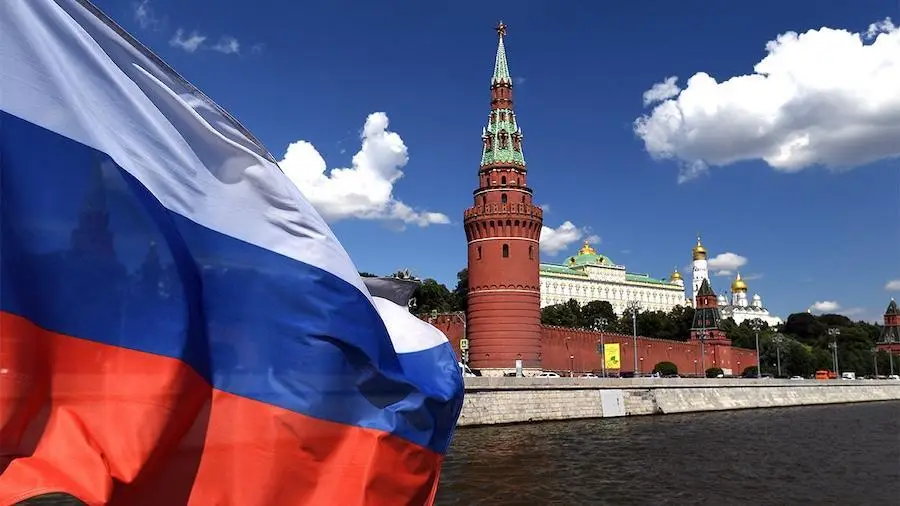
Russian President Vladimir Putin signed the law "On Digital Currency and Digital Rights," establishing rules for state oversight of cryptocurrency circulation.
Rules for investors, exchangers, stock exchanges, and digital depositories are set to come into effect on September 1st. Non-professional investors—that is, all interested investors—will be permitted to trade cryptocurrencies, but only after special testing and within a limit of 300,000 rubles per year per intermediary.
Legal cryptocurrency trading will be required to take place only on exchanges licensed by the Central Bank, with digital depositories responsible for the safekeeping and accounting of assets. Existing stock market depositories will be eligible for this status, provided they are included in the Bank of Russia's special register. The Bank of Russia previously defined criteria for such organizations. The minimum authorized capital must be 50 million rubles, and in the case of "working with foreign systems," 100 million rubles. For settlement depositories (which handle their own transaction settlements), the requirement will be 250 million rubles. Depositories are required to maintain full transaction records and screen clients for suspicious transfers.
Brokers and stock market management companies will be able to act as intermediaries between exchanges and investors. They will also be able to help Russian clients interact with foreign crypto infrastructure. Crypto exchanges will be legalized subject to a number of conditions: official registration and compliance with capital requirements established by the Central Bank.
Only cryptocurrencies with a high market capitalization (at least 5 trillion rubles), sufficient liquidity, and a long pricing history will be allowed to trade on Russian exchanges. According to Vladimir Chistyukhin, First Deputy Chairman of the Central Bank, Bitcoin, Ethereum, and the USDT stablecoin meet these criteria. However, the law makes no mention of stablecoins.
Russian authorities will permit cryptocurrency transactions and storage exclusively through custodial wallets, where private data is controlled by the exchange or other service. The use of cold wallets is permitted only for "participants in foreign economic activity."
Exchangers planning to operate legally in Russia are creating a self-regulatory organization (SRO) of digital currency exchange operators. The founding congress is scheduled for September 1 in Moscow, according to Sergey Khitrov, organizer of the Blockchain Life conference. According to him, any exchanger will be able to join the SRO without a fee.
A so-called transition period will last until July 1, 2027, while all interested parties obtain the necessary licenses. After this date, all cryptocurrency transactions by Russians will be conducted exclusively through licensed intermediaries, and banks will be authorized to block transfers to unauthorized crypto services. A "48-hour cooling-off" rule for cryptocurrency transfers between wallets and to fiat accounts will go into effect on September 1, 2027.
Even before the president signed the law, the Bank of Russia published several draft resolutions on the regulation of digital assets. In particular, the Central Bank intends to allow non-professional investors to trade cryptocurrency with leverage, that is, using borrowed funds.